
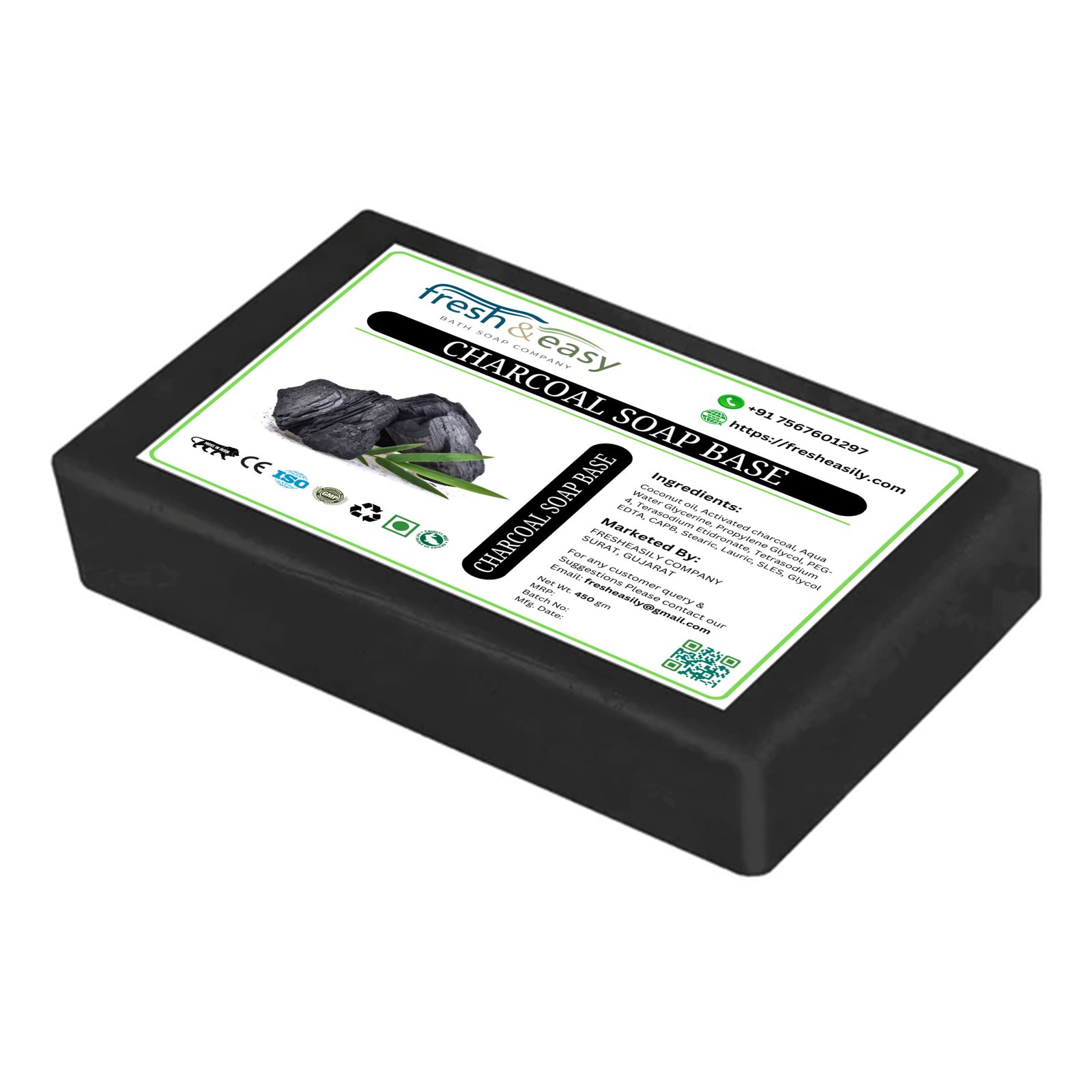
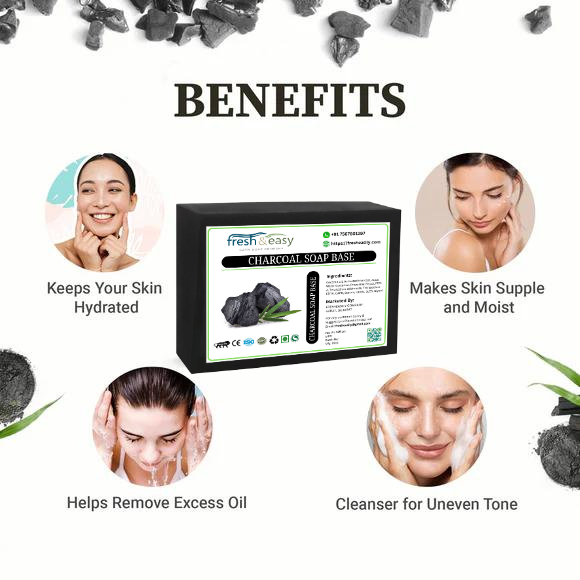
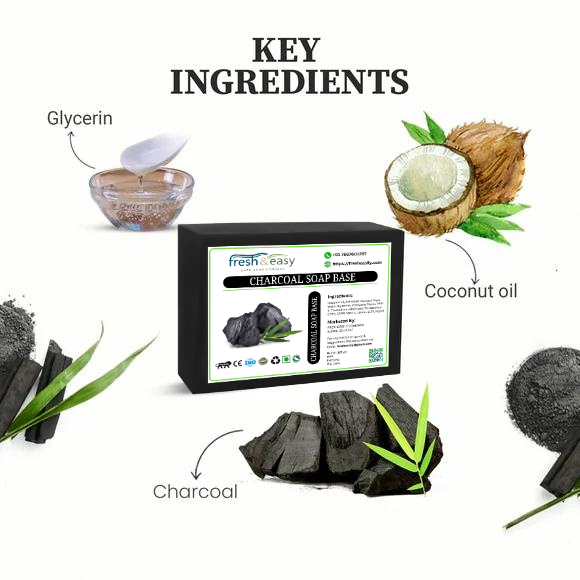
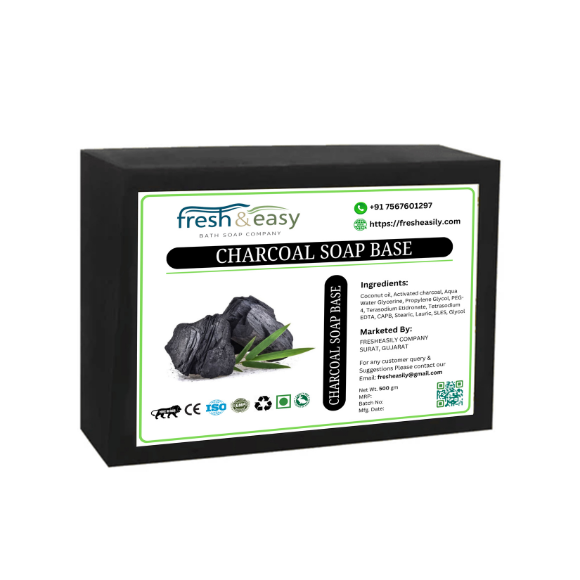
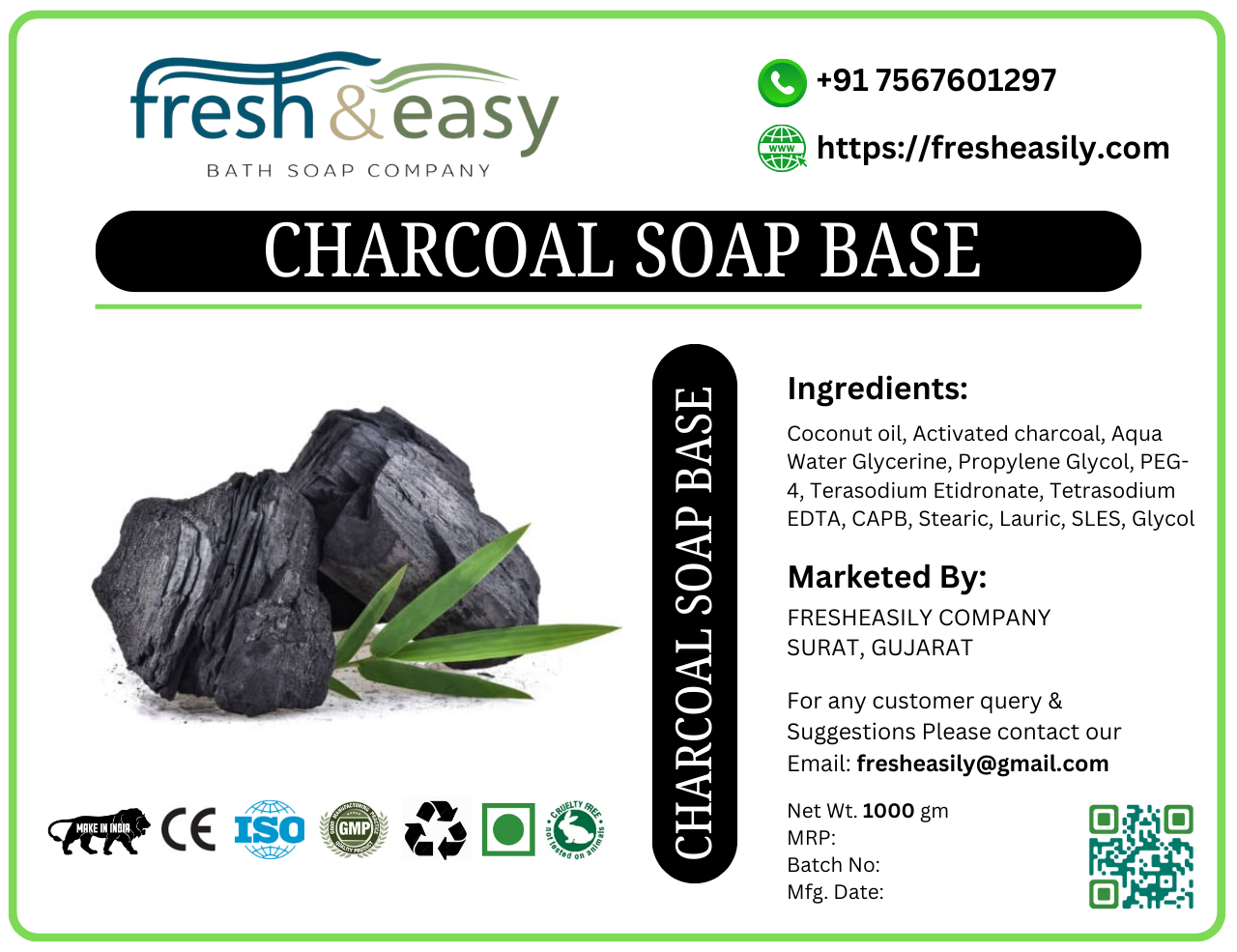
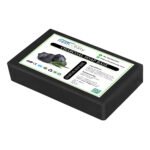
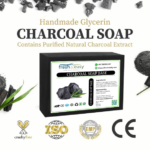
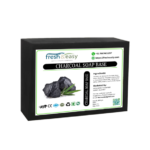
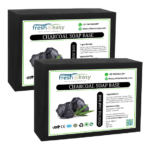
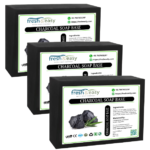
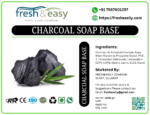
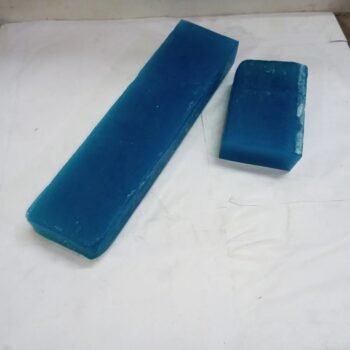
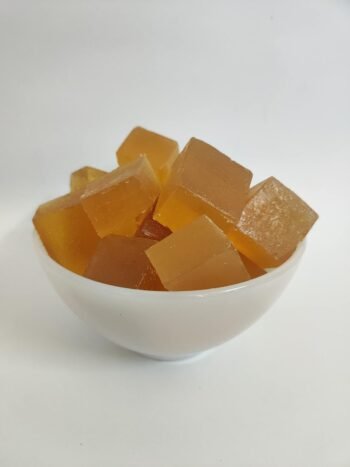
activated charcoal melt and pour soap base (500gm)
₹319.00 – ₹957.00
In recent years, the popularity of natural skincare products has surged, and one of the stars of the natural beauty world is activated charcoal. Known for its detoxifying properties, activated charcoal is a powerful ingredient in soaps, especially when combined with the convenience of melt and pour soap bases. If you’re looking to create your own soap at home or understand why activated charcoal soap is in high demand, this guide will walk you through everything you need to know.
1. What Is Activated Charcoal?
Activated charcoal is a form of carbon that has been processed to have small, low-volume pores that increase the surface area available for adsorption or chemical reactions. It is usually derived from coconut shells, peat, coal, or wood and is used in medicine and cosmetics due to its ability to bind to toxins and impurities.
In skincare, activated charcoal is prized for its ability to:
-
Draw out bacteria, dirt, and oil from the skin.
-
Help treat acne and blemishes.
-
Reduce pore size.
-
Gently exfoliate the skin.
2. What Is Melt and Pour Soap Base?
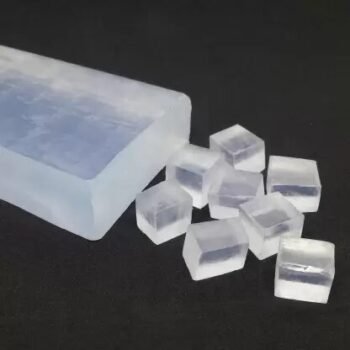
Melt and pour soap base is a pre-made soap that has already undergone the saponification process. This means you don’t need to deal with lye (sodium hydroxide), making it safer and easier for beginners. All you have to do is melt the base, add your desired ingredients (like fragrances, essential oils, or additives like charcoal), pour it into a mold, and let it harden.
There are several types of melt and pour soap bases, including:
-
Glycerin (clear or white)
-
Shea butter
-
Goat milk
-
Aloe vera
-
Honey
Each offers its own set of skin benefits.
3. Benefits of Activated Charcoal in Soap
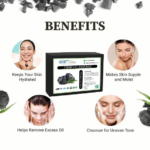
Adding activated charcoal to a melt and pour soap base creates a powerful cleansing bar that benefits all skin types, particularly oily and acne-prone skin. Some key advantages include:
a. Deep Cleansing
Charcoal binds to dirt and oil in the pores and removes them effectively without stripping the skin of natural oils.
b. Acne Treatment
Its antibacterial and anti-inflammatory properties help treat acne and prevent future breakouts.
c. Balancing Oily Skin
Charcoal helps absorb excess oil, making it ideal for people with oily or combination skin.
d. Gentle Exfoliation
The fine texture of charcoal provides a mild scrubbing effect that removes dead skin cells and smooths rough patches.
4. Why Use Melt and Pour Soap Base?
Using a melt and pour soap base offers several advantages, especially for beginners and hobbyists:
-
No need for lye: Safe to handle, no chemical reactions.
-
Time-saving: No curing time needed.
-
Customizable: Easily add colors, scents, and ingredients.
-
Consistent results: Less chance of failure.
-
Fun and creative: Great for DIY projects, gifts, and small businesses.
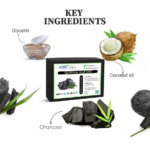
5. Key Ingredients in Activated Charcoal Melt and Pour Soap
Here’s what typically goes into a batch of this soap:
a. Melt and Pour Soap Base
Choose a glycerin, goat milk, or shea butter base for added skin benefits.
b. Activated Charcoal Powder
Use cosmetic-grade activated charcoal. A small amount (around 1 teaspoon per pound of soap) is usually sufficient.
c. Essential Oils
Tea tree, lavender, eucalyptus, or peppermint are popular choices for acne and oily skin.
d. Carrier Oils (optional)
Jojoba, almond, or argan oil can enhance moisturizing properties.
e. Colorants (optional)
Although charcoal naturally colors the soap a deep gray or black, you can experiment with swirls or layering.
6. Step-by-Step Guide to Making Activated Charcoal Melt and Pour Soap
Supplies Needed:
-
Soap base (1 lb)
-
Activated charcoal (1 tsp)
-
Essential oil (10–15 drops)
-
Microwave-safe container or double boiler
-
Soap mold
-
Mixing spoon
-
Isopropyl alcohol (for bubbles)
Instructions:
-
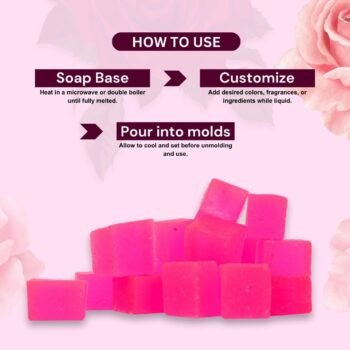
Cut the Soap Base
Cut your melt and pour soap base into small cubes for even melting. -
Melt the Soap Base
Use a microwave or double boiler to melt the cubes. If microwaving, heat in 30-second intervals, stirring between each session until fully melted. -
Add Activated Charcoal
Slowly mix in the charcoal powder. Stir thoroughly to avoid clumping. -
Add Essential Oils
Add 10–15 drops of your chosen essential oil. Stir well. -
Optional Add-ins
Include exfoliants (e.g., poppy seeds) or oils for customization. -
Pour Into Molds
Pour the mixture into your soap molds. Spray the surface with isopropyl alcohol to eliminate air bubbles. -
Let It Set
Allow the soap to harden at room temperature for 1–2 hours. Do not refrigerate. -
Unmold and Store
Once hardened, gently remove the soap from the molds. Store in a dry, cool place, ideally in airtight packaging.
7. Customizing Your Soap
Customization options are endless:
-
Scents: Blend oils like rosemary and tea tree for an herbal mix.
-
Colors: Use mica powders or natural colorants to create layers or designs.
-
Add-ins: Try oatmeal for exfoliation or shea butter for extra moisture.
-
Shapes: Use fun molds like hearts, flowers, or geometric shapes.
Custom soaps are great for personal use, gifts, or selling in markets and online.
8. Packaging and Storage Tips
Proper packaging preserves the quality of your soap:
-
Wrap individually in plastic wrap or shrink wrap to prevent moisture loss.
-
Label your soaps with ingredients, especially if selling.
-
Store in a cool, dry place, away from direct sunlight to prevent discoloration and melting.
9. Common Mistakes to Avoid
Making melt and pour soap is easy, but here are a few common pitfalls:
-
Overheating the base: Causes bubbles and burns. Always melt slowly.
-
Using too much charcoal: Leads to staining or drying out skin. Stick to 1 tsp per pound.
-
Adding water: Avoid water as it reduces shelf life and causes separation.
-
Using food-grade charcoal: Only cosmetic-grade charcoal should be used on the skin.
10. Safety and Precautions
Although melt and pour soap is safe, observe these precautions:
-
Wear gloves and mask when handling activated charcoal powder to avoid inhalation and staining.
-
Use only skin-safe ingredients to avoid irritation or allergic reactions.
-
Patch test your soap before full use if you have sensitive skin.
11. Market Demand and Commercial Opportunities
Activated charcoal soap is not only a personal care product but a business opportunity. Here’s why it’s trending:
a. Natural and Organic Trends
Consumers are seeking chemical-free, natural products. Activated charcoal aligns perfectly with this trend.
b. Niche Markets
Charcoal soap appeals to men’s grooming, acne treatment, and eco-conscious buyers.
c. Branding Opportunities
Creative packaging, unique shapes, and ethical branding (e.g., vegan, cruelty-free) can help small businesses stand out.
d. Profit Margins
Melt and pour soap making has low startup costs and high return potential when sold via eCommerce or local markets.
12. Conclusion
Activated charcoal melt and pour soap base combines the best of natural skincare and DIY creativity. With its deep-cleansing properties and user-friendly method, it’s perfect for beginners and experts alike. Whether you’re making it for personal use, gifts, or starting your own small soap business, this versatile product delivers great results with minimal effort.
By mastering the basics of charcoal soap making and experimenting with customizations, you can create a luxurious, skin-friendly product that’s both functional and marketable.
| Dimensions | 0.5 × 0.5 × 0.5 cm |
|---|---|
| Pack of | Pack of 1, Pack of 2, Pack of 3 |
Related Products
- 100% Natural SLS, SLES and Paraben Free Soap Base
- It gives you fresh skin and Removes germs and grime from your skin
- Great solution for problems such as blackhead, acne and It removes tanning, cures skin itching and detoxifies the skin
- It gives you long lasting fragrance and moisturizes your skin
- Made with Organic ingredients and maintains the oil balance of the skin
Reviews
There are no reviews yet.